
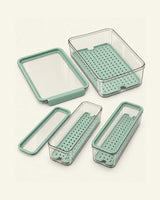
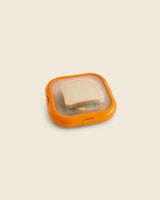
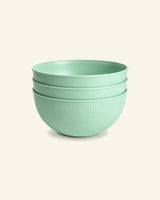
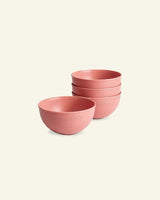
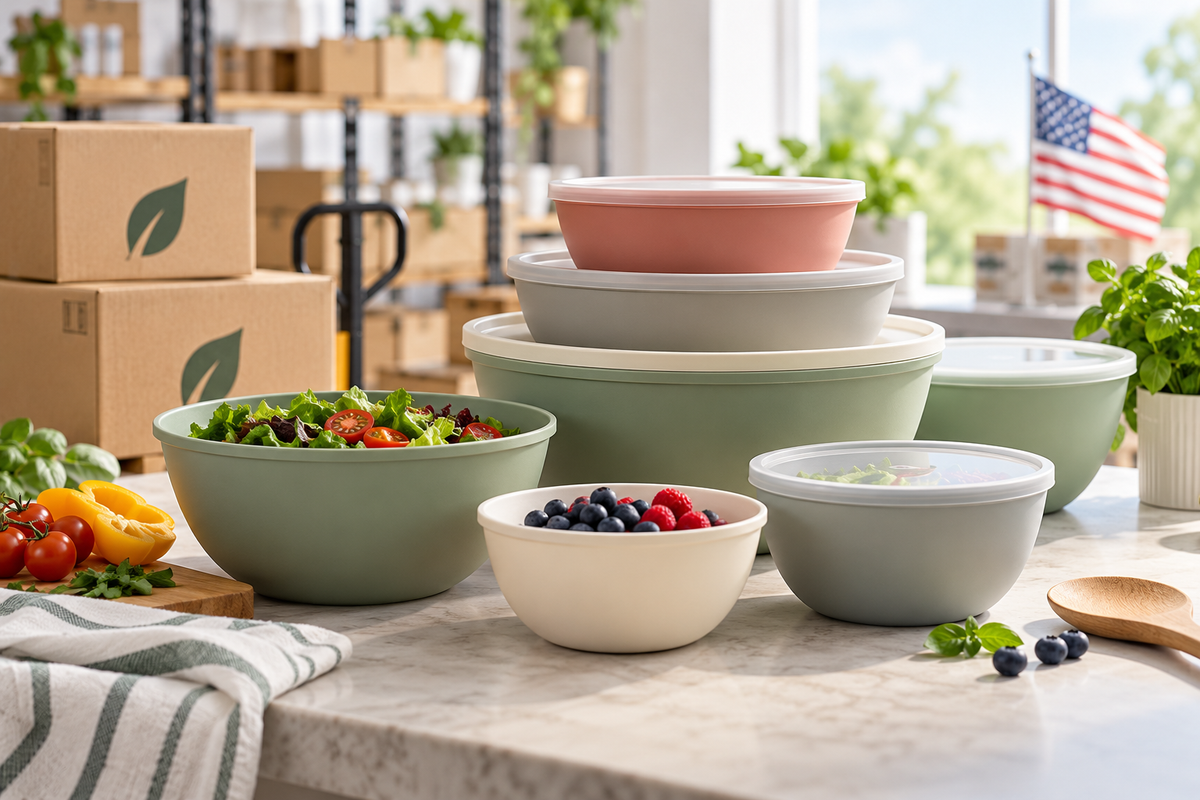
Check three things before price: the bowl is made from a material that never uses BPA (polypropylene, Tritan, stainless steel, glass or food-grade silicone), the supplier can show FDA food-contact compliance for that exact material, and a recent third-party lab report backs the "BPA-free" claim. Bowls for children 3 and under also need CPSIA testing.
That short list filters out most bad bulk orders. A "BPA-free" sticker costs a factory nothing. A dated lab report tied to your SKU costs real money, which is why it tells you more.
This guide is for restaurant and cafe owners, caterers, meal prep businesses, schools, daycares and retailers buying reusable bowls by the case or container. It covers materials, US rules, supplier documents, MOQs and landed cost, plus answers to the questions buyers search most.
If you are comparing bowl types for home use first, browse our mixing bowls collection or the full Greentainer shop.
Key Takeaways
-
FDA's current position is that BPA is safe at the levels found in food, but it removed BPA-based polycarbonate from baby bottles and sippy cups in July 2012 (FDA, 2023 page update).
-
California added BPS, a common BPA substitute, to the Prop 65 list in December 2023, so ask for "BPA and BPS free".
-
Polypropylene (#5) is the most practical bulk choice for microwave and dishwasher use.
-
Bowls for kids 3 and under fall under CPSIA phthalate limits of 0.1%.
What does BPA-free actually mean?
BPA-free means the bowl contains no bisphenol A. BPA is used to make polycarbonate, a hard clear plastic, and some epoxy can linings, according to the FDA's BPA food-contact page. The label does not promise the bowl is free of related bisphenols such as BPS.
Is BPA banned in the USA?
No. As of its page last updated in April 2023, the FDA says BPA is safe at the current levels occurring in foods and remains approved for some food containers. In July 2012 the FDA stopped allowing BPA-based polycarbonate in baby bottles and sippy cups. In July 2013 it did the same for BPA-based epoxy coatings in infant formula packaging.
The FDA is clear that both changes were based on industry abandoning those uses, not on a new safety finding. Some states go further and restrict BPA in children's food containers (ComplianceGate, BPA regulations in the United States).
Why does BPS matter for bulk buyers?
BPS is the substitute some manufacturers used to make products "BPA-free". In 2023, California's Office of Environmental Health Hazard Assessment added BPS to the Proposition 65 list as a female reproductive toxicant, effective December 29, 2023. OEHHA added the male reproductive endpoint on January 3, 2025, and the developmental endpoint on December 8, 2025. BPA itself has been on the list since 2015 (DLA Piper, BPS Prop 65 listing).
So what should you put in a purchase order? Write "free of BPA and BPS" or "made without bisphenols", and ask for a lab result that tests for both. A bowl that swapped BPA for BPS can still trigger a Prop 65 warning if you sell into California.
Our view at Greentainer: the safest bulk choice is a material that was never made with bisphenols in the first place, rather than a plastic that had one removed.
Which bowl materials are BPA-free?
Polypropylene, Tritan copolyester, stainless steel, glass, ceramic and food-grade silicone are made without BPA. Polycarbonate, often stamped with resin code #7 "other", is the plastic most likely to contain it. Melamine has no BPA, but the FDA says not to heat food in it, so it suits serving rather than reheating.
|
Material |
BPA in the material? |
Microwave |
Breakage risk |
Best bulk use |
|---|---|---|---|---|
|
Polypropylene (PP, #5) |
No |
Yes, when labeled microwave safe |
Low, shatter-resistant |
Everyday dinnerware, meal prep, schools, break rooms |
|
Tritan copolyester |
No, sold as BPA and BPS free |
Check the supplier spec |
Low |
Clear serving bowls, salad bars |
|
Melamine |
No |
No |
Low, can chip |
Dine-in restaurant and cafe service |
|
Bamboo and plastic blends |
No BPA, but other concerns |
No |
Low |
Avoid |
|
Stainless steel (18/8) |
No |
No |
Very low, can dent |
Kids, outdoor service, high volume |
|
Borosilicate or tempered glass |
No |
Yes |
Medium to high |
Meal prep, premium retail sets |
|
Ceramic or stoneware |
No |
Usually yes |
High |
Sit-down dining; ask for glaze lead testing |
|
Food-grade silicone |
No |
Yes |
Very low |
Baby bowls, collapsible bowls |
|
Polycarbonate (#7) |
May contain BPA |
Varies |
Low |
Avoid unless the spec proves BPA-free |
Is polypropylene BPA-free?
Yes. Polypropylene is not made with BPA, which is why most "BPA-free plastic bowls" are PP. Greentainer's Plastic Cereal Bowls with Lids (Set of 6), for example, are BPA-free PP rated from -20°C to 120°C, so they move from freezer to microwave without swapping containers.
Is melamine safe for commercial use?
For serving, yes. The FDA's melamine tableware Q&A says melamine does not migrate into most foods. Migration rose only with acidic food held at 160°F for two hours. The FDA's advice is simple: heat food in microwave-safe cookware, then serve it in melamine.
Why avoid bamboo and plastic blends?
The UK Food Standards Agency still advises that plastic containers and utensils containing bamboo should not be sold, citing concerns that formaldehyde and melamine can leak into hot or acidic food (FSA, updated bamboo notice). The advice covers plastic and bamboo blends, not solid bamboo. Many "eco bamboo" bowls sold in bulk are exactly these blends.
Want a bowl with no plastic touching the food? Our Double-Wall Baby Bowls with Suction and Kids Stainless Steel Dinnerware Set are stainless steel and will not shatter if dropped.
What US rules apply to bowls sold or used commercially?
Three sets of rules cover most bulk bowl orders: FDA food-contact regulations for the material, California Prop 65 for listed chemicals such as BPA and BPS, and CPSIA when bowls are made for children. Which ones apply depends on who eats from the bowl and where you sell it.
FDA food-contact rules
Any substance that can migrate from a bowl into food needs FDA authorization as an indirect food additive or food contact substance, per the FDA's BPA food-contact page. In practice, your supplier should name the regulation that covers the resin. For polypropylene, that is 21 CFR 177.1520, the olefin polymers regulation. A lab can run extraction tests against it.
California Proposition 65
If you sell bowls to consumers in California, BPA and BPS are both listed chemicals. A product that exposes buyers to either above the safe harbor level needs a clear warning. The simple fix is buying bowls made without bisphenols and keeping the test report on file.
CPSIA for kids' bowls
The CPSC defines a "child care article" as a product made to help with sleep or feeding for children age 3 and younger. Those products cannot contain more than 0.1% of the restricted phthalates (CPSC, phthalates and child care articles). Children's products also need third-party testing by a CPSC-accepted lab and a Children's Product Certificate.
Do daycare and school bowls count? If the bowl is designed or marketed for toddlers, assume yes and ask the supplier for the certificate before you order.
How do you verify a supplier's BPA-free claim?
Ask for documents, not adjectives. A credible wholesale supplier can send a material declaration, a dated third-party lab report for the exact bowl, and a bisphenol test showing BPA and BPS were not detected. If they can only point to the packaging, treat the claim as unverified.
Request these before you pay a deposit:
-
Material declaration. The resin type and grade, for example "food-grade polypropylene", for the bowl and the lid. Lids are often a different plastic.
-
FDA migration test report. From an accredited lab, naming the regulation tested against (21 CFR 177.1520 for PP). It should match your SKU and color, since pigments change results.
-
Bisphenol test. BPA and BPS results with the lab's detection limit, not just the word "pass".
-
Prop 65 statement. Required if any of your bowls reach California consumers.
-
Children's Product Certificate. Only for bowls made for kids, backed by a CPSC-accepted lab.
-
Heat and care ratings. The tested temperature range plus microwave and dishwasher claims.
-
Pre-production sample. Keep one sealed sample to compare against the bulk shipment.
Red flags in supplier paperwork
-
The report covers a different product, color or factory.
-
The test date is more than a year old or predates a material change.
-
The lab name cannot be found or is not accredited.
-
"BPA-free" appears on the box but not in any test result.
Why does the lid matter so much? Bowls are often PP while lids are a different, cheaper plastic. Check both parts, because food touches both.
What MOQs and prices should you expect for bulk bowls?
MOQs range from a single case at US distributors to 1,000 pieces or more at overseas factories. One US wholesaler lists BPA-free plastic 3-packs in cases of 36 at $0.65 to $0.69 each (4SGM), while one factory sets a 1,000-piece MOQ on glass bowl sets (SLY).
Which buying channel fits your volume?
|
Channel |
Typical MOQ |
Speed |
Who owns compliance |
|---|---|---|---|
|
US distributor or wholesaler |
One case |
Fastest, ships from US stock |
Distributor should supply documents |
|
Brand direct (such as Greentainer) |
Small to mid volume |
Ships from US stock |
Brand supplies its test reports |
|
Overseas factory |
Often 1,000+ pieces |
Production plus ocean freight |
You, as importer of record |
Factory pricing looks cheapest on a quote sheet. It rarely is once you add testing, freight, duties and the cost of a failed shipment.
How to work out landed cost per bowl
Landed cost per bowl = (product cost + packaging + testing + freight + duties and fees + warehousing) ÷ number of sellable bowls
Divide by sellable bowls, not ordered bowls. If 3% arrive cracked or warped, your real unit cost rises with them. Duty rates on imported tableware have changed often, so ask a customs broker for the current rate on your HTS code before you compare quotes.
Is a lower MOQ worth a higher unit price? For a first order, usually yes. A small tested order lets you check fit, stacking and dishwasher wear before you commit cash to a container.
Which BPA-free bowl suits your business?
Match the material to how the bowl is used. Microwave reheating points to polypropylene or glass. Dine-in service with no reheating suits melamine or stainless steel. Bowls for children 3 and under need CPSIA paperwork whatever the material.
|
Buyer |
Best material |
Why |
Greentainer option |
|---|---|---|---|
|
Meal prep and catering |
PP bowls with lids |
Freezer to microwave, stackable, leak-resistant lids |
|
|
Restaurants and cafes (dine-in) |
Melamine or stainless steel |
Durable for service; no microwave needed |
Not in the current range |
|
Salad bars and buffets |
Large PP serving bowls |
Light, unbreakable, easy to wash |
|
|
Schools and daycares |
PP or stainless steel |
Drop-proof; check CPSIA for toddlers |
|
|
Retailers and gift shops |
Nesting sets with lids |
Higher basket value, easy to display |
|
|
Office break rooms |
Microwave-safe PP |
Reheating lunches, dishwasher cleanup |
Baking or prep kitchens can also look at our BPA Free Nesting Mixing Bowls with Lids (Set of 5), which run from 0.8L to 4.7L and nest to save shelf space.
Frequently asked questions
Are BPA-free bowls safe to microwave?
Only if the bowl is labeled microwave safe. BPA-free describes what is not in the plastic, not how it handles heat. The FDA advises against heating food in plastic tableware that does not say microwave safe. Polypropylene bowls rated to 120°C, like Greentainer's cereal bowls, are made for reheating.
Is BPA banned in the United States?
No. The FDA's current position is that BPA is safe at the levels found in food. It stopped allowing BPA-based polycarbonate in baby bottles and sippy cups in July 2012 and BPA-based epoxy in infant formula packaging in July 2013, because industry had already abandoned those uses.
What is the difference between BPA-free and BPS-free?
BPA-free means no bisphenol A. BPS-free means no bisphenol S, a related chemical some makers used as a replacement. California added BPS to its Prop 65 list in December 2023. For bulk orders, ask for bowls free of both and a lab report that tests for both.
Is melamine BPA-free?
Yes, melamine does not contain BPA. Its concern is melamine migration under heat. The FDA found no migration into most foods, with some migration only when acidic food sat at 160°F for two hours. Use melamine for serving, and reheat food in microwave-safe dishes first.
What does the number 5 on a plastic bowl mean?
Resin code 5 means polypropylene. PP is made without BPA, handles dishwasher heat and is the most common material in BPA-free plastic bowls. Code 7 means "other" and can include polycarbonate, which may contain BPA, so ask the supplier to confirm the resin.
What is a typical MOQ for wholesale bowls?
It depends on the channel. US distributors often sell by the case, such as 36 units. Overseas factories commonly set MOQs around 1,000 pieces per design. Brand-direct suppliers like Greentainer ship from US stock, which suits smaller first orders. Always compare landed cost, not unit price.
Do kids' bowls need extra certification?
Yes. Bowls made to help feed children 3 and under are "child care articles" under CPSIA. They cannot contain more than 0.1% of the restricted phthalates and need third-party testing by a CPSC-accepted lab, plus a Children's Product Certificate. Ask for both before ordering for daycares.
Buying BPA-free bowls in bulk: the short version
-
Choose a material made without bisphenols: polypropylene, stainless steel, glass or silicone.
-
Ask for "BPA and BPS free" in writing, backed by a dated lab report for your SKU.
-
Check the lid material, not just the bowl.
-
Add CPSIA testing for any bowl meant for children 3 and under.
-
Compare landed cost per sellable bowl, not the quote sheet.
Greentainer makes BPA-free bowls, mixing bowls and storage sets for the US kitchens, with orders shipping from US stock in 3 to 7 business days. Planning a bulk order for a restaurant, school or store? Contact our team with your quantities and we will send pricing and product documents. You can also browse the full Greentainer range or read more guides on the Greentainer blog.


