
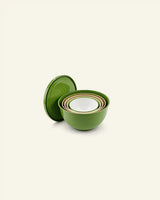
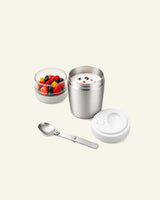
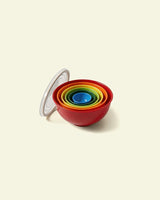
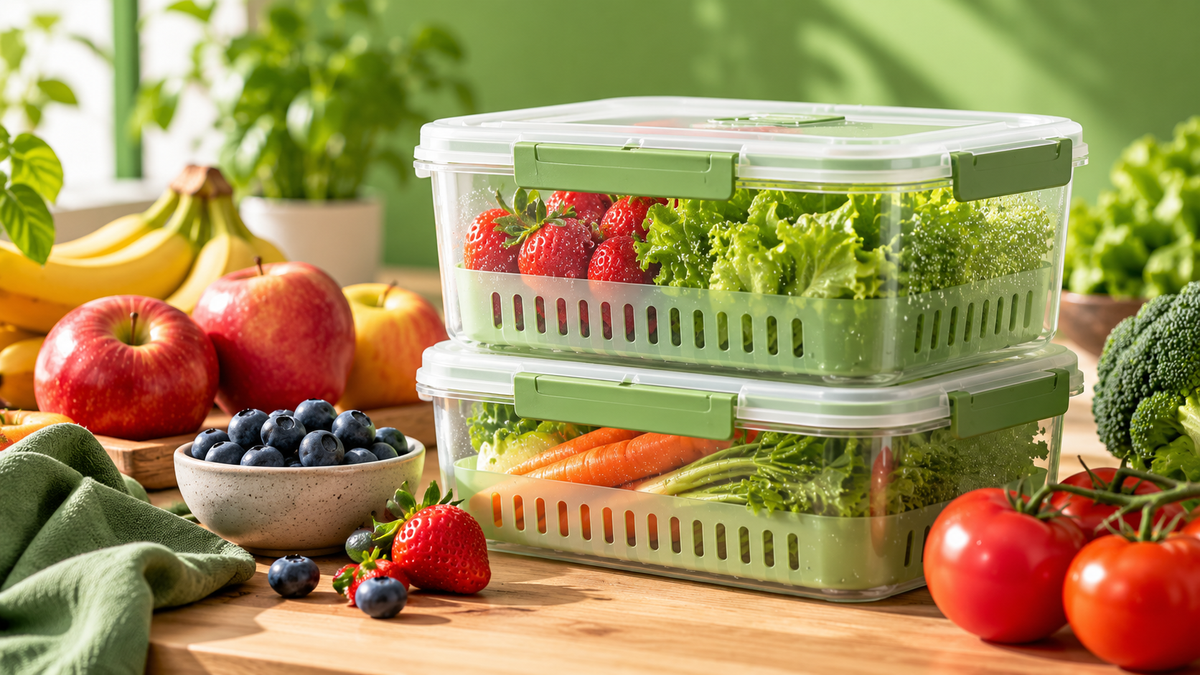
Fruits and vegetables make up more than a third of all food waste in the United States (ReFED). You've probably seen it happen in your own fridge: berries that go fuzzy by day three, a bag of spinach that turns to slime, grapes that shrivel before anyone eats them. So it's fair to ask whether produce storage containers are a real fix or just another kitchen gadget.
The honest answer is somewhere in between. The right container can buy you extra days, especially for berries and leafy greens. It can't rescue produce that's already bruised, and it won't help if you store the wrong things together. Below, we'll walk through what independent tests found, why fruit spoils in the first place, and which features actually make a difference.
Key Takeaways
-
In a two-week 2016 Consumer Reports test of seven storage systems, some containers extended produce life a little in week one, but none were dramatically better than the original packaging.
-
Containers work best when they control moisture, allow some airflow and keep produce off pooled water.
-
What you store together matters as much as the container itself.
Do produce storage containers actually work?
Yes, modestly, and mostly for delicate produce. When Consumer Reports tested seven produce storage systems over two weeks in 2016, some containers extended freshness a bit in the first week, but none were much better than the original store packaging, and nothing was still edible at day 14 (Consumer Reports). The same article notes that some brands claim their containers extend produce life by 33 to 80 percent.
So why do so many home cooks swear by them? Part of the answer is the type of produce and the length of the test. In the Consumer Reports test, strawberries kept in a vented container with a raised tray were among the best performers, while most other strawberry samples had developed mold by the two-week mark.
A smaller, informal test by KSL TV in Salt Lake City saw a similar pattern. After one week, the differences between produce in food saver bins and produce left in its original packaging were minimal. After two weeks, the strawberries, spinach and grapes left in store packaging looked and smelled noticeably worse (KSL TV, 2024). The testers pointed to moisture pooling at the bottom of the store containers as the main culprit.
Our take: The gap between "it works" and "it doesn't" usually comes down to one thing: moisture. Containers that lift produce off pooled water and let a little air move tend to help. A sealed box with no drainage can trap condensation and make mold worse, not better.
Produce storage containers can extend freshness, but the effect is usually measured in days, not weeks. Consumer Reports found that some containers helped slightly in week one, but none clearly beat original packaging over two weeks. The biggest gains come from containers that keep produce away from pooled moisture.
Why does fruit go bad so fast in the fridge?
The EPA recommends keeping your refrigerator at 40°F or below, then sorting produce by humidity: most wilt-prone vegetables in the high-humidity drawer, most fruits in the low-humidity drawer (EPA). That advice points to the three things that decide how long produce lasts: moisture, ethylene gas and temperature.
Moisture. Too much, and berries grow mold. Too little, and greens go limp. Water that collects at the bottom of a clamshell is where soft fruit usually starts to rot first. That's why the EPA advises waiting to wash berries, cherries and grapes until you're ready to eat them.
Ethylene gas. Some fruits, including bananas, apples, pears, stone fruits and avocados, release ethylene as they ripen. That gas makes nearby produce ripen, and potentially spoil, faster (EPA). Store an apple next to a head of lettuce and the lettuce pays the price.
Temperature and airflow. Cold slows ripening, but not every item belongs in the fridge. The EPA lists potatoes, eggplant, winter squash, onions and garlic as produce that does better in a cool, dry, dark and well-ventilated spot. The National CACFP Association adds that the condition of produce at purchase matters too, alongside temperature, humidity, airflow and ethylene exposure (National CACFP Association).
So where does a container fit in? It can't change your fridge temperature. What it can do is manage the first two factors: keep moisture in check and give you a way to separate ethylene producers from sensitive produce.
Fruit spoils faster in the fridge mainly because of trapped moisture and ethylene gas. According to the EPA, fruits like bananas, apples, pears and avocados release ethylene that speeds ripening in nearby produce. A good produce storage container helps by controlling moisture and keeping ethylene producers apart from sensitive items.
What features should produce storage containers have?
In the Consumer Reports test, the strawberry winner was a container that elevates food on a tray and has a vented lid, while the top pick for salad greens combined a colander, an adjustable vent, space for water and an activated charcoal filter (Consumer Reports). The pattern is clear: the containers that performed best were built to manage moisture and air, not just to hold food.
Here's what each feature does and when it matters:
|
Feature |
What it does |
Most useful for |
|---|---|---|
|
Removable colander or raised tray |
Lifts produce above condensation that collects at the bottom |
Berries, cherries, grapes |
|
Adjustable vent |
Lets you choose between more airflow and more humidity |
Switching between fruit and greens |
|
Room for a little water |
Adds humidity so leaves don't dry out |
Lettuce, herbs, leafy greens |
|
Snug-fitting lid |
Keeps odors in and stops produce from drying out |
Cut produce, strong-smelling items |
|
Clear walls |
Shows what's inside, so nothing gets forgotten |
Every household |
|
Stackable shape |
Uses fridge space efficiently |
Small fridges, bulk buyers |
If you only look for one thing, make it drainage. In KSL TV's test, extra moisture pooling in the store containers did far more damage than anything happening in the food saver bins with colanders (KSL TV, 2024). A produce keeper with a removable colander also doubles as a rinsing basket, which saves a step on busy weeknights.
Material is worth a quick check too. Look for food-grade plastic with clear labeling, or glass if you prefer. Our guide to BPA-free food storage breaks down what those labels actually mean.
Our take: Be skeptical of any container that promises a specific number of extra days. Independent tests show results vary by produce type, freshness at purchase and how you store it. A container is a tool, not a guarantee.
The best produce storage containers manage moisture and airflow. In Consumer Reports testing, top performers used a raised tray or colander plus a vent, and the best option for greens added a water reservoir and a charcoal filter. Drainage matters most: in KSL TV's side-by-side test, pooled moisture in store packaging was the main culprit behind spoiled produce.
You can compare different sizes and vent styles in our full range of produce storage containers.
Which fruits and vegetables belong in storage containers?
The EPA splits fridge produce into two camps: wilt-prone vegetables like leafy greens, carrots, cucumbers and broccoli go in the high-humidity drawer, while most fruits plus rot-prone vegetables like mushrooms and peppers go in the low-humidity drawer (EPA). Fruit and vegetable storage containers work best when they match those needs.
|
Produce |
Where it goes |
Container tip |
|---|---|---|
|
Berries, cherries, grapes |
Fridge |
Vented container with a colander; wash only right before eating |
|
Leafy greens, carrots, cucumbers, broccoli |
Fridge, high-humidity drawer |
Container that holds some humidity, with airflow for greens |
|
Mushrooms, peppers, most other fruits |
Fridge, low-humidity drawer |
Vented container so moisture can escape |
|
Bananas, apples, pears, stone fruits, avocados |
Kept apart from other produce |
Their own container or bowl, away from greens and berries |
|
Potatoes, onions, garlic, winter squash, eggplant |
Cool, dry, dark, ventilated spot |
Skip the fridge container; a ventilated bin or basket works better |
Source: EPA, Preventing Wasted Food at Home.
The biggest wins are usually with berries and greens. They're delicate, spoil quickly and are the first to suffer from pooled moisture or ethylene exposure. Hardier produce like apples and citrus gains less from a special container, though separating them still protects everything around them.
Not sure what can share a bin? Our guide to which fruits and vegetables to store together covers the common pairings, and the ones to keep apart.
Berries and leafy greens benefit most from produce storage containers because they spoil fastest. The EPA recommends storing wilt-prone vegetables in high humidity, most fruits in low humidity and ethylene producers like bananas and apples away from other produce. Potatoes and onions belong in a cool, dark, ventilated spot instead.
How do you use produce containers so fruit actually lasts longer?
Even the best container can't fix bad habits. Consumer Reports' bottom line after its test was simple: use produce as soon as possible (Consumer Reports). The same article quotes America's Test Kitchen's Julia Collin Davison, who notes that some produce does better left alone, especially when extra handling can bruise it. These habits help you get the most from any container:
-
Sort before you store. Pull out anything bruised, soft or moldy. One bad berry can spread mold to the whole batch.
-
Hold off on washing. The EPA recommends waiting to wash berries, cherries and grapes until you're ready to eat them. If you do rinse ahead, dry the produce completely before it goes in.
-
Set the vent for what's inside. More airflow for berries and most fruit, more humidity for leafy greens. Follow the container's own instructions.
-
Match the drawer. Put greens in the high-humidity crisper and most fruit in the low-humidity one.
-
Keep the fridge at 40°F or below. That's the EPA's recommended setting, and a container can't make up for a warm fridge.
-
Don't overfill. Packed produce bruises and traps moisture. Leave a little room for air.
-
Check every few days. Remove anything that's starting to turn before it affects the rest.
Berries are the trickiest, so they get their own guide: how to store berries so they last. And if your crisper drawers have become a black hole, start with our tips for organizing your fridge so produce stays visible and gets eaten.
To make produce storage containers work, sort out damaged pieces first, wait to wash berries and grapes until serving, and set vents for the produce inside. The EPA recommends a fridge temperature of 40°F or below. Checking containers every few days keeps one spoiled item from ruining the rest.
Is spoiled produce really costing you money?
Yes. The EPA estimates that the average family of four spends almost $3,000 a year on food that never gets eaten, and that one-third of all food in the United States goes uneaten (EPA). Produce is a big part of that. ReFED, a nonprofit that tracks food waste, reports that fruits and vegetables make up more than a third of total US food waste, and that over 80% of surplus food comes from perishables (ReFED).
That's the real case for produce storage containers. Not a miracle two-week shelf life, but a few extra days on the items you buy most often. If a container saves one pint of berries or one bag of greens from the trash each week, it can pay for itself surprisingly fast.
Our take: Think of containers as one part of a system. Buying less at a time, storing produce correctly and planning meals around what's already in the fridge will save more food than any single product. Containers make the storage part easier to stick with.
For more habits that add up, see our guide on how to cut food waste at home.
Wasted produce is a real household expense. The EPA estimates a family of four spends almost $3,000 a year on uneaten food, and ReFED reports fruits and vegetables make up more than a third of US food waste. Storage containers help most when combined with smarter shopping and meal planning.
Find the right containers for your fridge
Now you know what to look for: drainage, adjustable airflow and a size that fits the way you shop. Browse our stackable fruit and vegetable storage containers and compare them against the checklist above.
Frequently asked questions
Do produce saver containers really work?
They help, but modestly. In a 2016 Consumer Reports test of seven storage systems, some containers extended freshness a bit in the first week, but none clearly beat original packaging over two weeks. They work best for delicate produce like berries and greens, and when they keep produce away from pooled moisture.
Should you wash berries before putting them in a container?
It's better to wait. The EPA recommends washing berries, cherries and grapes only when you're ready to eat them, because extra moisture encourages mold. If you prefer to rinse ahead, dry the fruit thoroughly and store it in a container with a colander so any leftover water drains away.
What's the difference between a produce keeper and a regular food container?
A produce keeper is built to manage moisture and air. In Consumer Reports testing, top performers used features like a raised tray, a colander, an adjustable vent or a water reservoir. A regular sealed container has none of these, so condensation can build up and speed spoilage.
Can you store apples and bananas with other fruit?
It's best not to. According to the EPA, bananas, apples, pears, stone fruits and avocados release ethylene gas as they ripen, which can make nearby produce ripen and spoil faster. Give them their own container or bowl, away from berries and leafy greens.
How long do berries last in a produce storage container?
It depends on how fresh they were at purchase and how you store them. Independent tests show gains of days, not weeks. In the Consumer Reports test, none of the produce was still good to eat after two weeks, so plan to eat berries within the first several days.
The bottom line
Produce storage containers do keep fruit fresh longer, but only by a few days, and only when they're used well. Here's what matters most:
-
Moisture control beats marketing claims. Choose containers with a colander or raised tray and an adjustable vent.
-
Berries and greens benefit most. Hardier produce gains less.
-
Separation matters. Keep ethylene producers like apples and bananas away from sensitive produce.
-
Habits still count. Sort, wait to wash, keep the fridge at 40°F or below and eat produce soon.
Pair the right container with smart storage and you'll throw away less, and get more out of every grocery run. Next, see our guide to which fruits and vegetables to store together.
Sources
-
Consumer Reports, "Can Special Food Storage Containers Keep Your Produce Fresh Longer?", July 2016, retrieved September 28, 2026
-
KSL TV, "Food for thought: Do storage containers keep your fruits and veggies fresh longer?", May 2024, retrieved September 28, 2026
-
U.S. Environmental Protection Agency, "Preventing Wasted Food at Home", updated June 2026, retrieved September 28, 2026
-
ReFED, "Food Waste Data: Causes & Impacts", retrieved September 28, 2026
-
National CACFP Association, "Selecting and Storing Fresh Produce", retrieved September 28, 2026


