
Your kitchen is where your family's health begins. It's where you prepare breakfast for your kids, pack school lunches, store leftovers and cook meals together.
But take a look around. How much plastic do you use every day?
Plastic food containers, water bottles, chopping boards, cooking utensils and lunch boxes have become such a normal part of our routines that we rarely think about them.
As parents, we spend time choosing nutritious foods for our children. We check ingredients, limit excessive sugar and encourage healthy eating. Yet we sometimes overlook the materials that come into contact with their food.
Reducing plastic in your kitchen doesn't mean throwing everything away tomorrow. It means making thoughtful changes that fit your family's needs and budget.
Let's look at why these changes matter and where to begin.
Why Should Parents Reduce Plastic Use at Home?
Children are constantly growing. Their bodies, brains, immune systems and hormonal systems continue developing throughout childhood.
Some chemicals used in plastic products, including certain bisphenols and phthalates, have raised concerns because of their potential effects on hormonal activity and development.
The American Academy of Pediatrics recommends reducing children's exposure to certain food-contact chemicals where practical.
That doesn't mean every plastic container is dangerous. Different plastics have different properties, and the level of exposure matters.
However, when affordable alternatives are available, using glass and stainless steel for food preparation and storage can be a reasonable precaution.
For parents, the aim isn't to create a perfectly plastic-free home. It's to make better everyday choices.
What Does Science Say About Microplastics in Food?
Microplastics are tiny plastic particles, generally smaller than five millimeters, that can enter the environment as larger plastic items break down.
Scientists have detected these particles in food, drinking water and various parts of the human body.
A January 2025 article from Stanford Medicine discusses research into microplastics found in human tissues, including the brain and reproductive organs.
Researchers are studying whether long-term exposure contributes to inflammation, reproductive problems and other health concerns.
Importantly, detecting microplastics does not automatically mean they are causing disease.
The US Food and Drug Administration explains that current evidence does not demonstrate that the levels of microplastics detected in foods pose a risk to human health. More research is needed to understand potential long-term effects.
So, should parents be concerned?
Concern should lead to sensible habits, not panic. Reducing unnecessary contact between food and plastic, particularly when heating meals, is a practical place to start.
7 Simple Ways to Reduce Plastic in Your Kitchen
You don't need an expensive kitchen makeover. Start with the items your family uses most frequently.
1. Replace Old Plastic Food Containers With Glass
Think about how often you store leftovers in plastic containers.
Pasta from dinner, chopped vegetables, cooked rice and tomorrow's lunch often spend hours or days inside the same containers.
Glass food storage containers offer several everyday advantages:
- They resist stains and food odors.
- You can see what's stored inside.
- Many are suitable for reheating, provided they're labeled microwave-safe.
- They can be reused for years with proper care.
Glass containers are particularly useful for families that prepare meals in advance.
If you're replacing plastic gradually, start with containers used for reheating hot meals.
2. Choose Stainless Steel Food Containers for Kids' Lunches
School lunches are another easy place to reduce unnecessary plastic.
Instead of relying on disposable plastic bags and containers, consider reusable stainless steel lunch boxes and snack containers.
Stainless steel is durable, easy to clean and suitable for everyday foods such as sandwiches, fruit, crackers and vegetables.
For parents packing multiple lunches each morning, stackable containers can also help keep the refrigerator organized.
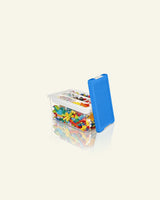
The Greentainer Stainless Steel Snack Containers, 3-Pack includes three nesting containers with glass lids for storing snacks, lunches and meal-prep portions.
For younger children, choose age-appropriate designs that they can open safely and independently.
3. Swap Plastic Mixing Bowls for Glass or Stainless Steel
Mixing bowls are among the most frequently used items in a family kitchen.
You might use them for pancake batter in the morning, washing vegetables before lunch or preparing dinner with your children.
Glass and stainless steel mixing bowls are practical alternatives to plastic.
Glass bowls allow you to see ingredients while mixing, while stainless steel bowls are lightweight, durable and resistant to breaking if dropped.
For families that enjoy baking together, a nesting bowl set can also save valuable cabinet space.
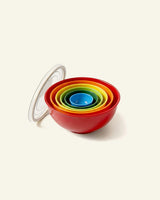
Greentainer's Borosilicate Glass Mixing Bowls with Lids come in three sizes for mixing, preparing and storing food. The glass bowls can be microwaved without their plastic lids, according to the product instructions.
4. Use Reusable Stainless Steel Water Bottles
Many children carry water bottles to school, sports practice and outdoor activities.
A reusable stainless steel bottle can reduce your family's dependence on disposable plastic water bottles.
Look for bottles that are easy to clean, comfortable for small hands and appropriately sized for school bags.
Make sure the drinking spout, lid and seals can be cleaned thoroughly.
A durable bottle that your child enjoys using is often more valuable than buying several replacements throughout the year.
5. Replace Worn Plastic Chopping Boards
Plastic chopping boards can develop deep cuts and scratches after repeated use.
These grooves may become harder to clean, especially when boards are heavily worn.
Research is also examining whether cutting on plastic boards releases small plastic particles.
Wooden chopping boards can be a useful alternative when maintained correctly. Wash them thoroughly, dry them properly and replace boards with deep damage.
Whichever material you prefer, preventing cross-contamination between raw meat and ready-to-eat foods remains essential.
6. Choose Wooden or Stainless Steel Cooking Utensils
Cooking spoons, spatulas and serving utensils come into contact with food every day.
Wooden spoons and stainless steel utensils are practical alternatives to plastic tools, particularly for everyday cooking.
Use utensils appropriate for your cookware. Stainless steel can scratch certain non-stick surfaces, while wooden utensils generally require gentle handwashing and thorough drying.
Replace utensils that are cracked, melting, peeling or badly damaged.
You should also inspect older non-stick cookware. Pans with flaking or seriously damaged coatings are best replaced, and non-stick pans should never be overheated.
7. Make Breakfast and Meal Prep More Reusable
Breakfast is often the busiest part of a parent's morning.
Between school schedules, packed lunches and work, convenience matters.
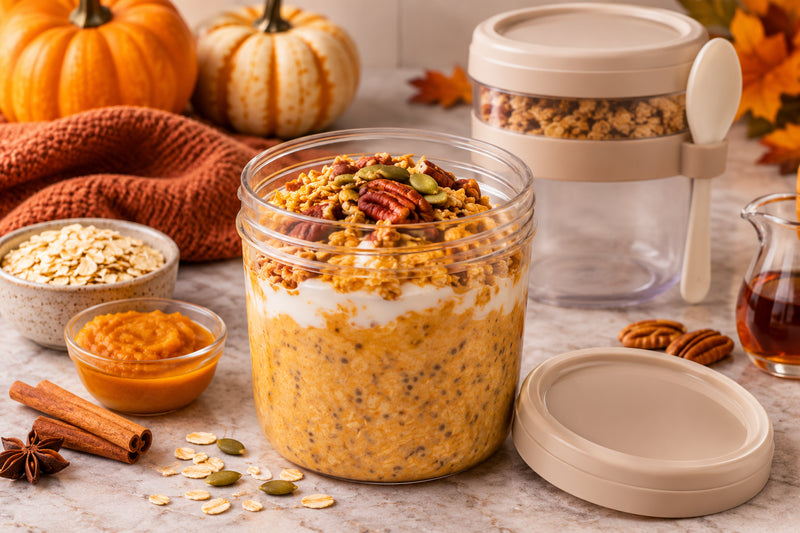
Reusable stainless steel food jars make it easier to prepare overnight oats, yogurt, fruit and snacks ahead of time.
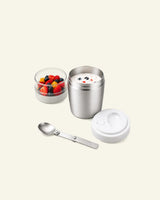
The Greentainer 26 oz Stainless Steel Overnight Oats Container includes separate compartments for breakfast and toppings, plus a reusable spoon.
Its main container is stainless steel, although the product also includes plastic lid components.
The goal isn't necessarily to eliminate every plastic component immediately. Choosing reusable food-contact materials and avoiding unnecessary disposable packaging are useful first steps.
Is a Plastic-Free Kitchen More Expensive?
At first, it can feel that way.
A good stainless steel lunch container may cost more upfront than a disposable plastic bag. Glass storage containers can also cost more than basic plastic versions.
But think about how often you'll use them.
A durable container used hundreds of times can offer better long-term value than products that need frequent replacement.
You don't have to replace your entire kitchen in one shopping trip.
Start with what needs replacing anyway. Prioritize heavily scratched plastic containers, items used to heat food and frequently used lunch boxes.
You can gradually build a collection of reliable kitchen essentials without putting unnecessary pressure on your household budget.
How to Start a Lower-Plastic Kitchen on a Budget
Choose one area of your kitchen each week.
During the first week, inspect your food storage containers and remove anything badly damaged.
Next, look at lunch boxes and water bottles. Then assess chopping boards, cooking utensils and mixing bowls.
Keep safe, functional items until replacing them makes practical sense. Creating unnecessary waste in pursuit of a plastic-free label defeats part of the purpose.
Most importantly, involve your children.
Let them help choose reusable lunch containers, wash their water bottles and learn why looking after household items matters.
These small routines can teach responsibility and reduce disposable plastic use over time.
Your Family Doesn't Need a Perfect Kitchen
Parents already have enough to think about. Making your kitchen safer and more practical shouldn't become another source of stress.
Research into microplastics is still developing, and there's no evidence that swapping containers alone will prevent illness or guarantee better health outcomes.
But choosing durable food storage, avoiding unnecessary heating of plastics and reducing disposable products can support a more thoughtful household routine.
Start with one container, one water bottle or one mixing bowl.
At The Greentainer, you'll find reusable glass and stainless steel kitchen essentials designed to make everyday food preparation and storage more convenient.
A lower-plastic kitchen isn't built overnight. It's built through the everyday choices your family makes together.