

The spatula next to your stove probably touches more hot food than any other object in your kitchen. It scrapes pans, sits in simmering sauce and gets bent against the side of a skillet most nights of the week.
So it's a fair question to ask what it's made of.
In German food monitoring, 10 out of 33 nylon kitchen utensils released more plastic building blocks into food than the 5 mg/kg guideline set by the country's Federal Institute for Risk Assessment (BfR, 2019). That's not a reason to panic. It is a good reason to think about which tools deserve an upgrade first.
This guide walks through what the research actually shows about silicone, nylon and other plastics, where silicone is a smart swap, and where it isn't the whole answer.
Key Takeaways
- Properly made, food-contact silicone is a sound choice for hot, flexible jobs like spatulas and scrapers.
- Nylon tools can release oligomers into food above 158°F (70°C), so the BfR advises keeping hot contact brief.
- Worn, scratched or melted plastic is the clearest reason to replace a tool.
- Silicone quality varies. In one 2025 study, post-curing cut migration of small siloxanes by about 94%.
Are silicone kitchen utensils safe to cook with?
Yes, for most home cooking. Silicone made for food contact and used within its temperature rating is considered suitable for repeated kitchen use. In the US, silicone rubber articles fall under FDA food-contact rules for repeated-use rubber (21 CFR 177.2600). The real variable is manufacturing quality, not the word "silicone" on the label.
Silicone isn't a conventional plastic. It's built on a backbone of silicon and oxygen atoms rather than the carbon chains found in polypropylene or nylon. That structure is why a silicone spatula stays flexible at stove temperatures that would soften many plastic tools.
It isn't perfectly inert, though. Small molecules called siloxanes are left over from manufacturing, and some can move into food. How much depends heavily on whether the product was properly heat-treated after molding, a step called post-curing.
A 2025 study in Food Additives & Contaminants tested silicone baking molds with shortcrust pastry. Non-post-cured molds released 153 mg/kg of small siloxanes in the first use. Post-cured molds released 9.5 mg/kg (Food Additives & Contaminants, 2025).
That's the difference between a well-made product and a cheap one. Same material name, very different result.
Is silicone better than plastic for cooking utensils?
For tools that touch hot food and pans every day, usually yes. Silicone handles higher heat than most plastic utensils, won't scratch nonstick coatings and doesn't deform the way nylon can when it's left against a hot pan. For cold or dry jobs, good-condition plastic is often perfectly fine.
Here's how the common materials compare for everyday cooking:
| Material | Heat tolerance | Nonstick safe? | Main watch-out | Best jobs |
|---|---|---|---|---|
| Silicone | High (check the product rating) | Yes | Quality varies; buy post-cured, food-contact silicone | Spatulas, scrapers, spoon spatulas, brushes |
| Nylon (polyamide) | Moderate | Yes | Oligomer migration above 158°F (70°C); melts if left on hot pans | Short stirring, lower-heat tasks |
| Other rigid plastics | Low to moderate | Usually | Warping, scratching, wear | Cold mixing, dry storage, serving |
| Wood | Good | Yes | Can crack or hold moisture if not dried | Stirring soups, sauces, stews |
| Stainless steel | Very high | No | Scratches coated pans | Tongs, whisks, turners for steel and cast iron |
Notice that no single material wins every row. That's the point. A sensible "silicone switch" isn't about banning plastic from your home. It's about moving the hot, scraped, daily-use tools to a material that suits the job.
If you're weighing up bowls as well as utensils, our guide on whether stainless steel mixing bowls are better than plastic or glass covers the same trade-offs for prep and storage.
Do plastic spatulas and spoons release microplastics into food?
They can, mainly through wear and scratching. A European Food Safety Authority review of 1,711 publications concluded that microplastics are released from food-contact materials during normal use, with mechanical stress a key driver. It also found many studies overestimated release because of weak lab methods (EFSA, 2025).
The clearest kitchen example comes from cutting boards rather than spatulas. A 2023 study in Environmental Science & Technology estimated that one person could be exposed to 14.5 to 71.9 million polyethylene microplastics a year from a chopping board, or 79.4 million from a polypropylene board (Yadav et al., 2023).
Two honest caveats matter here.
First, those cutting board numbers come from knives hitting plastic hundreds of times a day. You can't copy them straight across to a spoon.
Second, the FDA's current position is that the evidence "does not demonstrate" that levels of microplastics found in food pose a risk to human health (FDA, 2024). Research is ongoing, and methods are still being standardized.
So why bother? Because a spatula with a rough, chewed or melted edge is visibly breaking down. Replacing it is cheap, simple and removes one avoidable source of wear right where you cook.
Are nylon cooking utensils safe?
Nylon is fine for short, lower-heat tasks, but it's not the best tool to leave sitting in hot food. Germany's BfR found that nylon utensils can release cyclic oligomers into food, especially above 158°F (70°C). It advises keeping that hot contact as brief as possible, though it doesn't tell people to stop using nylon altogether.
Most nylon spatulas and spoons are made from polyamide 6 or 6,6. During manufacturing, small unintended molecules called oligomers form and stay in the plastic. Heat encourages them to move.
In the BfR's data, 23 of 33 tested utensils stayed under the 5 mg/kg guideline. The other 10 went over (BfR, 2019). The institute's advice was aimed at manufacturers as much as consumers: improve production so less migrates.
What does that mean at home? A nylon turner flipping pancakes for a few seconds is a very different situation from a nylon spoon resting in a pot of chili for an hour. If your nylon tools spend long stretches in hot food, silicone or wood is the easier swap.
Should I throw out my black plastic spatula?
Not automatically, but it's a reasonable one to replace if it's worn. A widely shared 2024 study found flame retardants from recycled electronics in black plastic household items. The authors later corrected a math error, and the estimated exposure from utensils turned out to be about 12 times below the EPA reference dose.
The study, published in Chemosphere, tested 203 black plastic products and found flame retardants in most of them. Headlines told everyone to bin their spatulas.
Then a correction arrived. The original paper compared an estimated intake of 34,700 nanograms a day with a safe limit it listed as 42,000. The EPA's actual reference level for a 132 lb adult works out to 420,000 nanograms a day (Nexstar/NewsNation, 2024).
The authors stood by their broader concern about recycled electronics plastic ending up in kitchenware. That concern is fair. But the corrected math is a good reminder to read past the headline.
Our take: if your black spatula is melted, cracked or peeling, replace it. If it's in good shape and you're curious about switching, silicone or stainless steel are easy upgrades with no guesswork about recycled content.
Does silicone leach chemicals or shed microplastics?
Silicone isn't a microplastic source in the usual sense, but it can release siloxanes. Most microplastic research covers carbon-based plastics like polyethylene and polypropylene. With silicone, the research focus is on small leftover siloxanes, which migrate most into fatty foods at high heat and much less from well-cured products.
A few details from the research help put this in proportion:
- Migration is highest in the first few uses and drops with repeated use.
- Fatty foods pull out more siloxanes than water-based foods.
- Post-curing reduces the small, volatile siloxanes dramatically, as the 153 vs 9.5 mg/kg result above shows.
- Most studies test baking molds, which spend 15 to 30 minutes in a hot oven surrounded by batter. A spatula touches food for seconds to minutes at a time.
Quality clearly varies between products. A 2022 study of four silicone cupcake molds found the two better-made molds met the BfR's volatile compound guideline, while the two cheaper ones didn't (Food and Chemical Toxicology, 2022).
That's why buying silicone from a brand that states what it's made of matters more than the material name alone.
What does "food-grade" or "platinum-cured" silicone actually mean?
"Food-grade" means the silicone is formulated and made for food contact under stated conditions of use. "Platinum-cured" describes the catalyst used to set the rubber. Platinum curing leaves fewer by-products than older peroxide curing and is common in higher-quality kitchen silicone. Neither term replaces a clear temperature rating and care instructions.
When you shop, look for:
- A stated food-contact use (not just "silicone" or "premium rubber")
- A maximum temperature on the listing or packaging
- Dishwasher and care guidance
- Whether the core and handle are silicone, plastic, wood or steel
- A brand you can actually contact with questions
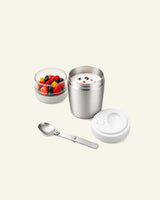
Greentainer describes the silicone in its range, like the seal ring on our stainless steel overnight oats container, as platinum-cured.
Does the silicone "pinch test" work?
You'll see this tip all over forums: twist the silicone, and if it turns white, it contains cheap fillers.
It's a rough signal at best. Nearly all silicone rubber contains reinforcing silica, and color, thickness and pigment affect whether a stretched spot looks lighter. A product that passes the pinch test can still be poorly post-cured. Treat it as one clue, never as proof.
How hot can silicone utensils get?
It depends on the product. Always go by the manufacturer's rating. Many silicone utensils are rated somewhere around 400 to 500°F (about 200 to 260°C), but there's no universal number. A heat rating also doesn't mean a spatula should rest against a hot pan or sit near a burner flame.
A few habits keep silicone in good shape:
- Rest it on a spoon rest or plate, not on the pan rim.
- Keep it away from open flames and broiler elements.
- Don't use it as a scraper on a dry, empty pan heating over high heat.
- If it turns sticky, brittle or swollen, retire it.
Silicone's heat tolerance is one of its biggest advantages. Just use it as a tool, not a permanent resident of the stovetop.
Is silicone safe for nonstick pans?
Yes. Silicone is one of the best utensil materials for nonstick cookware. It's softer than the coating, so it's far less likely to scratch than metal. A thin silicone turner slides under eggs and pancakes without gouging the surface, which helps coated pans last longer.
Scratched coatings are worth avoiding for practical reasons alone. Once a nonstick surface is gouged, food sticks and the pan wears out faster.
Wood works well on nonstick too, especially for stirring. Stainless steel tools are better saved for stainless, carbon steel and cast iron pans.
Why does my silicone spatula smell or taste like soap?
Silicone can absorb strong scents and oily films, so heavily fragranced dishwasher detergents sometimes leave a soapy taste. It's one of the most common complaints in cooking forums. Switching to an unscented detergent and washing oily silicone by hand in hot water usually fixes it.
If the smell hangs on, try this:
- Scrub the spatula with a paste of baking soda and water.
- Rinse well in hot water.
- Let it dry completely before storing.
- Use an unscented detergent from then on.
A white, chalky film is usually mineral residue from hard water, not the silicone breaking down. A soak in diluted white vinegar typically lifts it.
If the silicone still smells burnt or chemical after cleaning, or the surface has changed texture, replace it.
Which kitchen tools should you replace first?
Start with tools that get hot, get scraped, or are visibly damaged. Those are the items where material choice matters most. Cold-use items in good condition, like mixing bowls used for salads or dough, can stay. Replacing everything at once creates waste without much benefit.
Here's a simple order for your own kitchen audit:
- Melted, cracked, flaking or badly scratched plastic tools. These go first.
- Nylon or plastic spatulas and spoons that sit in hot food for long stretches.
- Heavily knife-scarred plastic cutting boards. Consider wood or a fresh board.
- Containers you reheat food in. Glass or stainless steel handles heat without the guesswork.
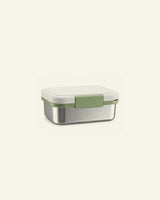
- Lunch and snack containers that get daily wear. A stainless steel bento box is a durable option for school and work.
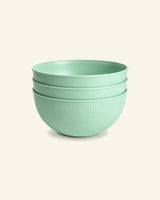
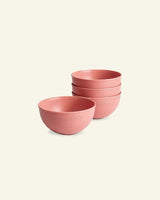
What can stay? A BPA-free plastic bowl that's used cold, washed gently and still in good shape isn't the same risk profile as a melted spatula. That's why our nesting mixing bowl sets are built for prep and storage, not stovetop cooking.
For families feeding little ones, a kids stainless steel dinnerware set takes plates and bowls out of the question entirely.
When should you replace a silicone spatula?
Replace it when it tears, turns sticky, cracks, separates from the handle or keeps a burnt smell after cleaning. A good silicone spatula can last for years, but damage exposes the inner core and creates crevices that are hard to clean.
Signs it's time:
- Tears, nicks or deep cuts in the head
- A permanently tacky or gummy surface
- Brittleness or cracking at the edges
- Visible metal or plastic core
- The head wobbling loose from the handle
- Burn marks or melted spots
Wear is a better guide than age. Some spatulas last a decade. Others get chewed up in a year of heavy use.
Is silicone better for the environment than plastic?
It can be, mostly because it lasts longer. A silicone spatula that lasts eight years replaces several plastic ones. But silicone takes energy to produce, and curbside recycling for it is rare. The lowest-waste kitchen is usually one with fewer tools, chosen well and kept for a long time.
That's the idea behind how we design at Greentainer: own less, choose materials that match the job, and keep them working. You can read more about that on our Our Story page.
Frequently Asked Questions About Silicone Kitchen Utensils
Are silicone utensils safer than plastic?
For hot cooking, well-made silicone is generally the better choice. It tolerates more heat and doesn't carry the oligomer concerns the BfR raised for nylon, where 10 of 33 tested utensils exceeded its 5 mg/kg guideline. Quality still matters, so choose post-cured, food-contact silicone with a stated temperature rating.
Do silicone utensils contain microplastics?
Silicone isn't a carbon-based plastic like polyethylene, so it isn't a microplastic source in the usual sense. Research focuses instead on siloxanes. One 2025 study found post-cured silicone released 9.5 mg/kg of small siloxanes into pastry, compared with 153 mg/kg from non-post-cured molds.
Can silicone utensils melt?
They can be damaged if used above their rated temperature, left against a very hot pan or held near a flame. Many utensils are rated around 400 to 500°F, but the only number that counts is the one on your product. Rest silicone tools on a spoon rest, not the pan.
Is it safe to use a nylon spatula?
Yes, for quick tasks. The BfR recommends keeping contact between nylon utensils and food above 158°F (70°C) as short as possible, but it doesn't advise against nylon entirely. If your spatula stays in simmering food for long periods, silicone or wood is the better fit.
Are black plastic utensils dangerous?
A 2024 study found flame retardants in black plastic household items, but a corrected calculation put estimated utensil exposure about 12 times below the EPA reference dose. Replace black plastic tools that are melted or damaged. Tools in good condition aren't an emergency.
What is the safest material for kitchen utensils?
There isn't one best material for everything. Silicone suits nonstick pans and scraping, stainless steel suits durable high-heat tools, and wood suits stirring. The FDA says current evidence doesn't show microplastics in food pose a health risk, so matching material to task and replacing worn tools is the practical approach.
Is silicone dishwasher safe?
Most silicone utensils are, but follow the care label. If scented detergent leaves a soapy taste, switch to an unscented product or hand wash oily silicone in hot water. A baking soda scrub usually removes lingering odors.
The Silicone Switch Is About the Right Material in the Right Place
You don't need to empty your kitchen drawers to cook with better materials.
Start with the tools that meet heat, scraping and food every day. Swap the melted spatula. Retire the scarred cutting board. Keep the bowls and containers that are still doing their job well.
Silicone for flexible, pan-friendly tools. Stainless steel for strength. Glass for reheating. Wood for stirring. And plastic, where it's still in good shape and used cold.
Ready to rethink your kitchen one piece at a time? Browse the full Greentainer collection, or sign up for our newsletter at the bottom of the homepage for 15% off your first order. Have a question about what a product is made of? Get in touch and we'll give you a straight answer.
Sources
- BfR Opinion No. 036/2019, Polyamide kitchen utensils: keep contact with hot food as brief as possible
- EFSA (2025), Literature review on micro- and nanoplastic release from food contact materials during their use, EN-9733
- Yadav et al. (2023), Cutting Boards: An Overlooked Source of Microplastics in Human Food?, Environmental Science & Technology 57(22)
- FDA (2024), Microplastics and Nanoplastics in Foods
- Migration of cyclic dimethyl siloxanes from silicone elastomers into food, Food Additives & Contaminants Part A (2025)
- Analysis of potential migration compounds from silicone molds for food contact by SPME-GC-MS, Food and Chemical Toxicology (2022)
- Liu et al. (2024) and corrigendum, From e-waste to living space, Chemosphere 365


