
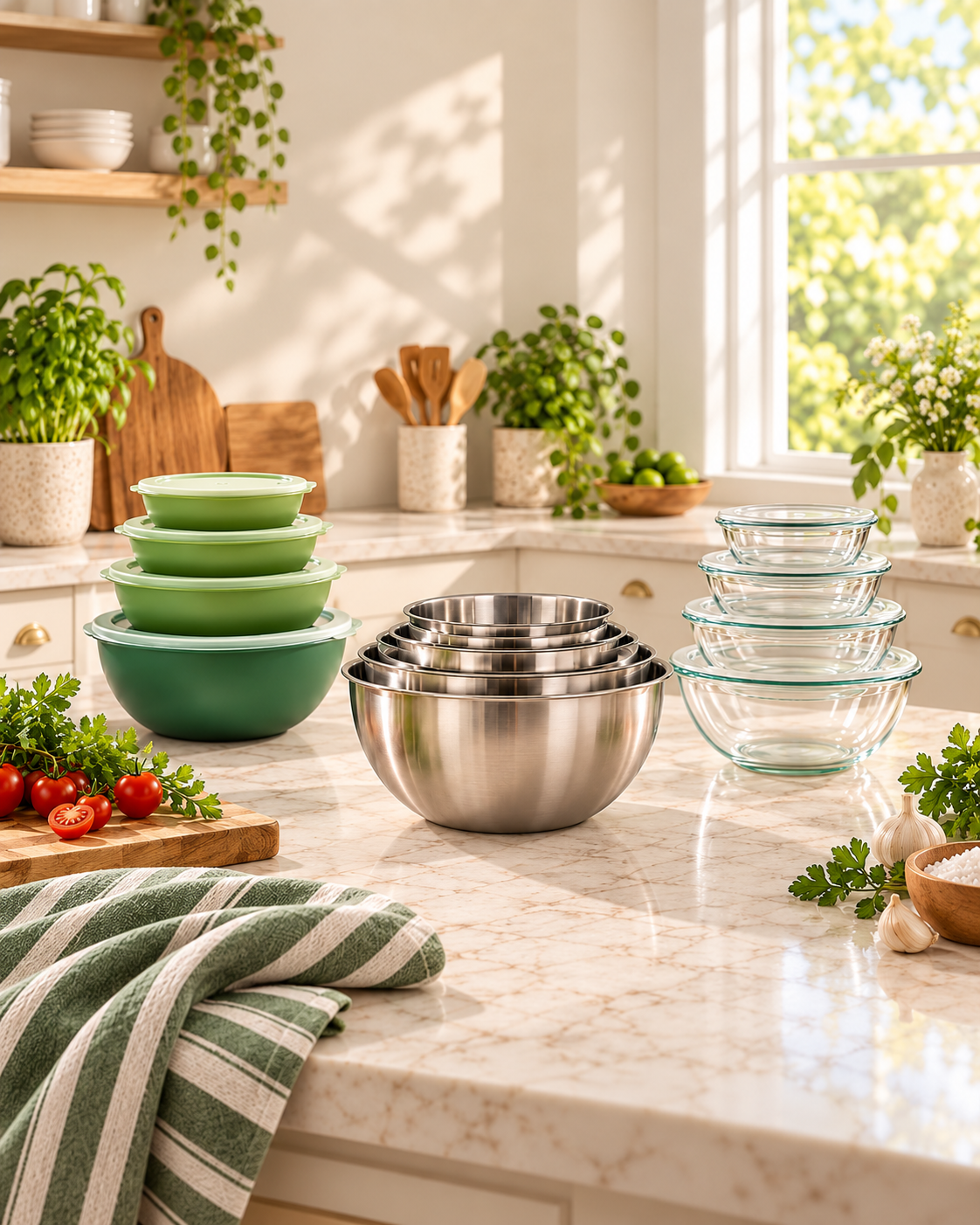
Stainless steel, glass, and plastic mixing bowls are the three most popular options in your kitchen. You can't rely on just one because each offers benefits in durability, convenience, storage, weight, and everyday cooking.
These mixing bowls come in different materials, each with its own pros and cons. But which one is best among these? While choosing each product, understand its pros and cons. Let’s compare stainless steel, glass, and plastic so you can easily choose the best option for your kitchen.
Stainless Steel Mixing Bowls: Long-Lasting and Reliable
Stainless steel mixing bowls come with material that is long-lasting and reliable, lightweight, durable, and resistant to cracks. These mixing bowls are best for everyday kitchen tasks like whisking, mixing, and meal preparation without breaking.
Stainless steel bowls are best for people who cook frequently and need bowls that can handle everyday kitchen tasks easily. These bowls are also stain-resistant and food odor-resistant.
Greentainer’s Stainless Steel Mixing Bowl Set comes in 5-piece and 7-piece nesting options made from food-grade stainless steel, giving you different bowl sizes while helping save cabinet space. View the Stainless Steel Mixing Bowl Set
But stainless steel is not microwave-safe. If you want to use a stainless steel mixing bowl in an oven, always check the manufacturer's instructions for that particular product before doing so.
Benefits of Stainless Steel Mixing Bowls
-
Durable and long-lasting
-
Lightweight compared with glass
-
Stain and odor resistant
-
Useful for food preparation
-
Easy to clean
-
Resistant to cracks and breaking
-
Handles heavy-duty kitchen tasks
-
Nesting sets can save cabinet space
If storage space is one of your main concerns, you can also read Mixing Bowl Storage Hacks: Keeping a Small Kitchen Clutter-Free for practical ways to organize bowls in smaller US kitchens. Read the Mixing Bowl Storage Hacks guide
Plastic Mixing Bowls: Lightweight and Convenient
Plastic mixing bowls are lightweight and easy-to-use products. Bowls made from food-grade PP and BPA-free plastic can be convenient for handling everyday kitchen tasks. The main benefit is that they are shatter-resistant, lightweight, and convenient for everyday use.
These bowls are a practical option for busy households. They come in different sizes and shapes, helping you find the set you often need. When buying plastic products, look for BPA-free, microwave-safe, and dishwasher-safe materials where these features are specifically confirmed by the manufacturer.
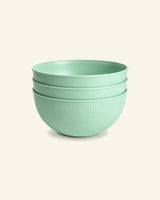
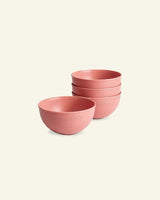
For example, Greentainer’s Microwave Dishwasher Safe Nested Storage Mixing Bowls with Lids – Set of 5 are made from food-grade BPA-free PP plastic and are listed as microwave-safe, dishwasher-safe, freezer-safe, and designed to nest together for compact storage. View the 5-Piece Plastic Mixing Bowls with Lids
Benefits of Plastic Mixing Bowls
-
Lightweight and easy to handle
-
Durable and convenient
-
Microwave-safe when specifically labeled
-
Dishwasher-safe when specifically labeled
-
Handle everyday kitchen tasks easily
-
Resistant to breaking
-
Convenient storage
-
Affordable and available in different sizes and colors
If you are deciding whether buying a complete set makes more sense than purchasing separate bowls, read Nesting Mixing Bowls: Why a 6-Piece Set Beats Buying Bowls One at a Time. Read the 6-Piece Nesting Mixing Bowls guide
Glass Mixing Bowls: Versatile and Best for Mixing and Serving
Glass mixing bowls allow you to see the ingredients while mixing and preparing. These bowls provide a classic look for cooking and preparing and are also useful beyond food preparation.
Many glass mixing bowls are safe for microwave use when specifically designed for it, which makes them versatile for different cooking tasks. But the main issue with glass bowls is that they are heavier than stainless steel and plastic and can also chip or break if dropped.
Greentainer’s Borosilicate Glass Mixing Bowls with BPA-Free Lids are designed for mixing, cooking, serving, and meal preparation. The bowls are listed as oven-, microwave-, freezer-, and dishwasher-safe when used according to their product instructions. View the Borosilicate Glass Mixing Bowls
Benefits of Glass Mixing Bowls
-
Transparent design allows you to see ingredients
-
Best for serving
-
Easy to clean
-
Microwave- and oven-safe when specifically designed for it
-
Do not easily absorb odors
-
Dishwasher-safe when manufacturer approved
-
Can move easily from preparation to serving
Stainless Steel vs. Glass vs. Plastic Mixing Bowls
Here is a quick comparison of stainless steel, glass, and plastic mixing bowls.
|
Feature |
Stainless Steel |
Glass |
Plastic |
|
Durability |
Highly durable |
Very good but can chip or break |
Good and shatter-resistant |
|
Weight |
Lightweight |
Heavy |
Very lightweight |
|
Microwave-Safe |
No |
Usually, if manufacturer approved |
Yes, only if labeled microwave-safe |
|
Storage |
Good, especially nesting sets |
Moderate |
Excellent, especially nesting sets |
|
Cleaning |
Easy |
Easy |
Easy |
|
Break Resistant |
Yes |
No |
Yes |
|
Odor Resistant |
Excellent |
Excellent |
Depends on material and use |
|
Best For |
Heavy-duty mixing and preparation |
Mixing, heating, and serving |
Everyday use, storage, and meal prep |
Which Mixing Bowl Material Is Best?
Choosing the best one for you depends on your kitchen use and demand. Your choice depends on your daily needs and your kitchen space. Some people need different options for their everyday cooking.
If you bake and prepare large amounts of food, stainless steel is one of the best options for heavy-duty use because of its strength and durability.
If you want to mix, prepare, and store food, you can consider plastic because of its lightweight construction and durability. Plastic bowls with lids can also make meal preparation and refrigerator storage easier.
Glass is a good choice if you want a bowl that can also look attractive for serving while giving you the ability to see ingredients clearly while mixing.
Different mixing bowls have different benefits at the same time. Some people need different materials for different tasks. You can use stainless steel for heavy-duty mixing, glass for mixing and serving, and plastic for performing everyday tasks.
For kitchens where organization matters just as much as material, our guide to 10 Smart Kitchen Organization Ideas to Transform Your Home explains additional ways to reduce clutter and make better use of cabinet and counter space. Read the Kitchen Organization guide
What to Look for in the Best Mixing Bowls
While buying mixing bowls, do not only consider the material but also different features such as:
-
BPA-free materials when choosing plastic components
-
Microwave-safe construction
-
Dishwasher-safe construction
-
Multiple sizes
-
Space-saving nesting design
-
Secure lids for food storage
-
Lightweight construction
-
Easy-to-clean surfaces
A nesting design can be particularly useful in small kitchens because several bowls can fit inside one another instead of taking up separate areas of the cabinet.
Final Verdict
If you need durability and heavy-duty use, stainless steel is an excellent choice. Plastic is lightweight and convenient and can handle everyday tasks easily. Glass bowls are best for mixing, preparing, heating when approved for it, and are also a good choice for serving.
There is no single mixing bowl material that is best for every kitchen task. Stainless steel provides durability, glass gives you visibility and serving versatility, while plastic provides lightweight convenience and practical food storage.
A well-designed mixing bowl set provides different sizes, easy cleaning, and convenient storage.
Mixing bowls with multiple sizes and a nesting design are especially useful for US kitchens where saving cabinet space matters. Choosing the right material and a space-saving design can provide an excellent balance of functionality, organisation, and everyday convenience.


