
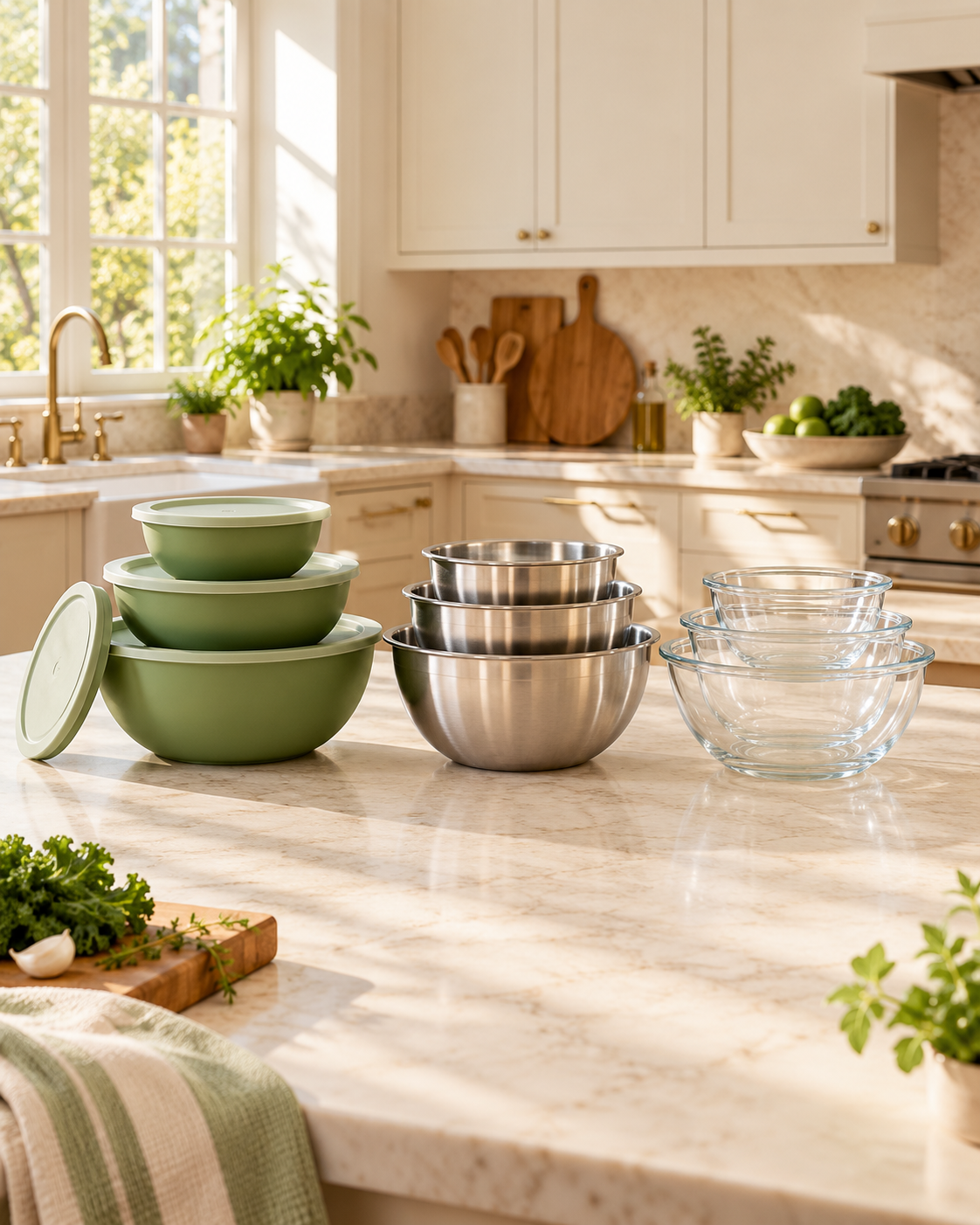
Plastic vs. Stainless vs. Glass Mixing Bowls? Which Should You Buy
Choosing the right mixing bowls for your kitchen makes your everyday tasks easier and more convenient. Choose bowls that are durable, efficient, and made from the best materials. Plastic, Stainless steel and glass- each set of mixing bowls comes with its own durability, cleaning, weight, and versatility. But the first task is choosing the right materials for your comfort and convenience.
Which Mixing Bowl Is Best? Quick Answer
Plastic: best for lightweight everyday use, nesting and storage.
Stainless steel: best for durability, whisking and heavy-duty mixing.
Glass: best when ingredient visibility and microwave/reheating convenience matter.
For most households prioritizing lightweight handling, easy storage and everyday food preparation, high-quality food-grade plastic mixing bowls offer the most convenient balance.
Best Mixing Bowl Material by Kitchen Task
Which Mixing Bowl Is Best for Different Kitchen Tasks?
|
Kitchen task |
Recommended material |
Why |
|
Everyday meal prep |
Plastic |
Lightweight and easy to handle |
|
Baking & whisking |
Stainless steel |
Durable and easy to maneuver |
|
Microwave reheating |
Microwave-safe plastic or glass |
Suitable when manufacturer-approved |
|
Food storage |
Plastic or glass with lids |
Convenient for refrigerator storage |
|
Heavy-duty mixing |
Stainless steel |
Durable and stable |
|
Cooking with kids |
Plastic |
Lightweight and resistant to shattering |
|
Seeing ingredients while mixing |
Glass |
Transparent |
|
Small kitchens |
Nesting plastic or steel |
Efficient storage |
|
Frequent carrying |
Plastic |
Lowest weight |
Plastic vs Stainless Steel vs Glass Mixing Bowls
So here we have a quick comparison of which material is suitable for the kitchen and best for handling tasks.
Plastic Mixing Bowls
Plastic mixing bowls are commonly used in the kitchen because they are lightweight and easy to handle. Plastic bowls are affordable and durable if manufactured with heavy plastic.
Pros
-
Plastic is less likely to shatter.
-
Lightweight
-
Best for everyday food storage and convenience
-
Nesting design makes it more convenient for small storage.
What matters in choosing Plastic Bowls?
Whenever you buy plastic bowls, you must keep in mind that every plastic is not good for everyday use. Look for the following features:
-
Made from BPA and BPS-free plastic
-
Food Grade Material
-
Microwave-safe
-
Dishwasher-safe
-
Unibody design
-
Heat-resistant up
Stainless Steel Mixing Bowls
Stainless steel mixing bowls are also a good choice for handling your everyday tasks. But each material and product comes with its own pros and cons. Stainless Steel bowls are best for those who love baking, egg mixing, flour, and more. These mixing bowls come with durability and versatility, so they are the best option for domestic and commercial use.
Pros
-
Compared to glass, stainless steel is lightweight.
-
Ideal for cooking and baking tasks
-
Highly durable
-
Resistant to breaking
-
Best for baking and mixing
-
Stainless steel works well for food storage, particularly when paired with a secure lid.
Cons
-
Not suitable for microwave
-
While mixing, it makes noise
-
Contents cannot be seen.
Glass
The heaviest bowl material is glass. Although it is popular in homes and commercial kitchens and a good choice for stirring and mixing, there are more chances of shattering if dropped during mixing.
Pros
-
Easy to clean
-
Visible ingredients
-
Microwave safe
-
Dishwasher safe if carried with care
-
Best for baking
-
Does not retain food odors
Cons
-
Glass can crack or shatter if dropped or exposed to conditions outside its rated temperature range
-
Heavier than steel and plastic
-
Glass bowls are often heavier and may be less convenient to stack or handle, depending on their design
-
Less convenient
Which Mixing Bowl Material Is Most Durable?
Plastic vs Glass vs Stainless Steel: Safety and Care
-
Plastic: BPA-free/food-contact material, microwave label, dishwasher instructions, avoid damaged/deformed bowls.
-
Glass: thermal shock, chips/cracks, microwave/oven suitability according to manufacturer.
-
Stainless steel: dishwasher suitability, not normally for microwaves, care around acidic/salty foods depending on grade and instructions.
Quick Comparison Between Glass, Plastic and Stainless Steel Bowls
Below is the comparison table between glass, plastic and stainless steel bowls:
|
Feature |
Plastic |
Glass |
Stainless Steel |
|
Long-term durability |
Very Good |
Good |
Excellent |
|
Impact/drop resistance |
Excellent |
Low–Moderate |
Excellent |
|
Lightweight |
Excellent |
Fair |
Very Good |
|
Microwave use |
If labeled microwave-safe |
If labeled microwave-safe |
Generally not recommended |
|
Food storage |
Excellent with lid |
Excellent with lid |
Excellent with lid |
|
Ingredient visibility |
No |
Yes |
No |
|
Best for |
Everyday use & storage |
Mixing & reheating |
Heavy-duty mixing |
|
Nesting/space saving |
Depends on design |
Depends on design |
Depends on design |
Which Mixing Bowl Material Is Most Durable?
Based on the type of material, its durability, convenience, and ability to handle everyday tasks, stainless steel, glass, and plastic all have pros and cons. Stainless steel and glass are good, but stainless steel offers an excellent balance of durability and convenience.
Unlike glass, High-quality plastic resists shattering and usually handles accidental drops better. High-quality plastic offers excellent impact resistance and everyday convenience, while stainless steel typically offers the greatest long-term durability
High Food-grade plastic is also heat-resistant and microwave-friendly, on the other hand most of the stainless steel cannot be used in oven. Plastic is lightweight and easy to handle during everyday kitchen tasks. These are easy to move while cooking, mixing, and storing food. They are easy to clean, dishwasher safe and can handle regular kitchen use, remaining practical and easy to use. A durable and BPA-free plastic is safe and provides the best performance for everyday meal preparation and storage.
Why Choose Greentainer Plastic Mixing Bowls?
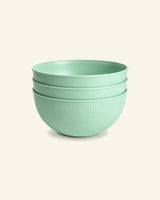
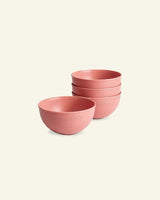
The reason for choosing thegreentainer.com mixing bowls is that they are made up of BPA-free materials, safe for everyday use, reliable, and easy to manage. The nesting design of bowls saves more space on your kitchen cabinets and shelves. These bowls combine durability with lightweight convenience.
-
BPA-Free & Non-Toxic
-
Heat-Resistant
-
Dishwasher Safe
-
Space-Saving Design
-
Unibody Design
-
Multiple Sizes & Lids
Which Mixing Bowl Material Should You Choose?
|
Choose |
If you… |
|
Plastic |
Want lightweight bowls, lids, easy storage, nesting and everyday versatility |
|
Stainless steel |
Bake frequently or want maximum long-term durability |
|
Glass |
Prefer transparent bowls and frequently reheat ingredients |
|
Nesting plastic set |
Have limited cabinet space or want multiple sizes in one set |
If lightweight handling, nesting storage and everyday versatility are your priorities, Greentainer plastic mixing bowls are designed around those needs.
How We Compared Plastic, Glass and Stainless Steel Mixing Bowls? We focused on the factors customers encounter during regular meal preparation rather than simply comparing material specifications.
FAQs About Plastic vs Stainless Steel vs Glass Bowls
Below are the answers to frequently asked questions about plastic vs glass vs stainless steel bowls:
1. Which mixing bowl material is best for everyday use?
Plastic mixing bowls are highly recommended because they are lightweight, easy to handle, and shatter-resistant. Look for plastic PP, food-grade, and non-toxic material that keeps your food safe.
2. Are plastic mixing bowls durable?
Yes. High-quality PP plastic mixing bowls are resistant to everyday drops and cracks, provide comfort and durability, and are best for general kitchen wear.
3. Are stainless steel bowls better than plastic bowls?
Stainless steel is excellent for heavy-duty mixing, while plastic offers greater lightweight convenience and versatility, but mostly the stainless steel is not microwave-friendly.
4. Are glass mixing bowls better than plastic?
No, in most cases, glass is not inherently safe if kids are around because it can slip and break. Glass bowls are easy to shatter and have cracks; they are heavy weight and cannot be easy to handle.
5. Are nesting mixing bowls worth buying?
Yes. Nesting bowls are the better option if you want to save space in your kitchen cabinets and shelves. These bowls can stack into one another easily because of their nesting structure and occupy less space in kitchen cabinets.
6. What should I look for in plastic mixing bowls?
Look for BPA-free, food-grade, dishwasher-safe, microwave-safe, and more features like lids and nesting storage.
Final Verdict
While comparing plastic, glass, and stainless steel, plastic is the best option for everyday kitchen use. But the only thing to remember is to use the best PP plastic, food-grade, non-toxic, and heat-resistant. Using the best plastic offers the right balance of durability, comfort, easy handling, and convenient storage.
Greentainer nesting mixing bowls provide you with further benefits like a nesting design, dishwasher-safe, microwave-friendly, BPA-free, multiple sizes, and heat-resistant.


